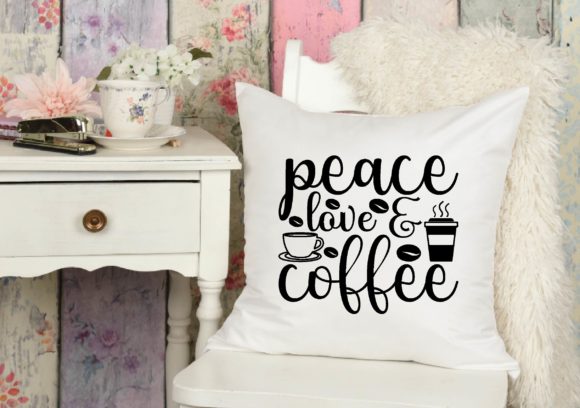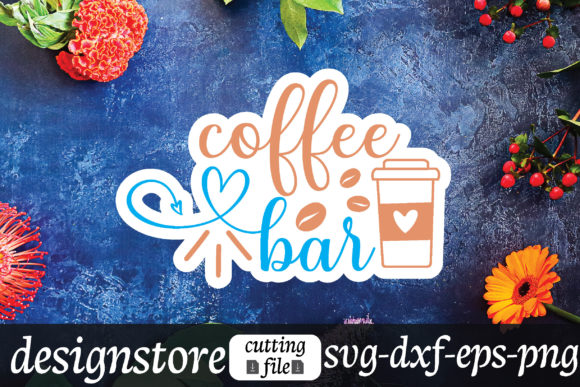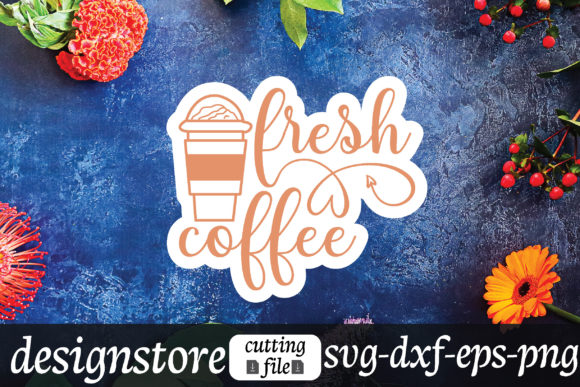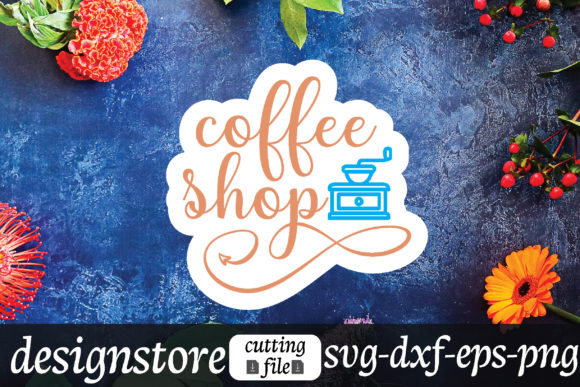
Coffee Hustle Stickers: A Designer's Real-World Review
As a designer who has spent years turning digital concepts into tangible, stitched reality, I approach every new machine embroidery design with a critical eye. It is not enough for a graphic to look good on a screen; it must survive the rigors of the needle, the tension of the hoop, and the scrutiny of a customer holding the finished product in their hands. Recently, I evaluated the Coffee Hustle Stickers design, a Graphics file marketed as an instant download compatible with cutting machines like Cricut and Silhouette. While the primary description highlights its utility for vinyl cutting, my focus was on how this specific aesthetic translates when adapted for textile work, specifically within the realm of custom apparel and handmade products.
The Visual Personality of the Design
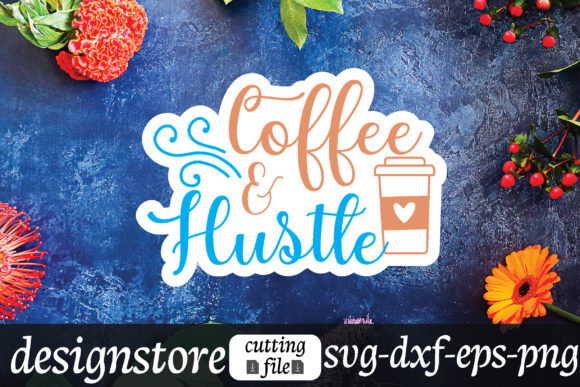
At first glance, Coffee Hustle Stickers exudes a bold, energetic vibe that resonates deeply with the modern "grind" culture. The layout is punchy, likely featuring strong lines and high-contrast elements that scream productivity and caffeine-fueled determination. For an Etsy seller or a small shop owner targeting coffee lovers, this visual personality is a goldmine. It speaks directly to baristas, remote workers, and students who view their morning brew as a ritual rather than just a beverage.
However, translating a sticker-style graphic into a digital embroidery file requires careful consideration. Sticker designs often rely on solid blocks of color and sharp edges that are easy to cut with a blade but can be challenging to replicate with thread. When I visualize this design moving from a flat vector file to a textured fabric surface, the key question becomes: does the detail hold up? The mood is undeniably fun and relatable, making it a perfect candidate for sweatshirt embroidery or a personalized apron for a home baker. Yet, the success of the project hinges entirely on how the design assets are converted into stitch data.
Testing the Waters: A Real-Life Project Scenario
To truly understand the potential of Coffee Hustle Stickers, I imagined a specific scenario: creating a limited-run collection of heavy-duty canvas tote bags for a local boutique. These bags would serve as both promotional items and practical carryalls for coffee enthusiasts. In this context, the design needs to pop against the natural beige of the canvas while maintaining structural integrity after being washed repeatedly.
If I were to proceed with this embroidery project, the first step would be digitizing the graphic to ensure the lettering remains legible. Unlike a vinyl cut where the edge is perfectly crisp, thread creates a soft perimeter. If the design includes tiny text or intricate details typical of sticker art, those areas could easily become muddy if the stitch density is too high. I would need to simplify certain elements, perhaps converting fine lines into running stitch outlines and filling larger areas with a balanced fill stitch pattern. This ensures that the final finished product looks professional and not like a tangled mess of thread.
Furthermore, the placement matters immensely. On a tote bag, the center front is prime real estate, but the curvature of the handle attachment points means the fabric isn't always perfectly flat. Testing the hoop size is crucial here. If the design is too large for the available hoop space, the fabric might pucker, ruining the sleek look of the Coffee Hustle Stickers motif. A medium-sized hoop would likely offer the best balance, allowing for even tension without distorting the shape of the coffee cups or text.
Navigating Fabric Challenges and Textures
One of the most common pitfalls when using Graphics originally intended for cutting is underestimating the impact of fabric texture. Coffee-themed items often feature cozy materials like fleece, terry cloth, or thick cotton blends. While these fabrics are popular for holiday gifts and winter wear, they present unique challenges for embroidery.
For instance, if you attempt to stitch Coffee Hustle Stickers onto a fluffy fleece sweatshirt, the pile of the fabric can hide smaller details. The thread colors must be chosen carefully to ensure contrast; a light gray thread on a heather gray background will disappear instantly. Additionally, stretchy fabrics require a robust stabilizer to prevent the design from warping over time. Without proper backing, the satin stitch used for outlining the text might sink into the fabric, losing its definition. This is why I always advise testing the design on scrap fabric first. It is a non-negotiable step for any serious craft business owner.
Another area of caution involves dark fabrics. While Coffee Hustle Stickers might look great on a white background, placing it on a black hoodie requires a different approach. You cannot simply stitch the design on top; you may need an applique design technique or a dense underlay of white thread to make the colors vibrant. Ignoring this step results in a dull, unprofessional appearance that fails to capture the energy of the original graphic.
Commercial Viability and Brand Consistency
For those looking to sell these items, the Coffee Hustle Stickers design offers significant potential for commercial embroidery. The theme is evergreen; people will always love coffee. However, consistency is key to building a brand. If you are selling personalized gifts or small shop products, every item must look identical. This means standardizing your digitization settings. Do not rely on auto-digitize features alone; manually adjust the pull compensation and underlay stitches to ensure the design sits flat and true across different batches of production.
Customer trust is built on quality. A poorly executed embroidered patch or a baby embroidery item with loose threads can damage your reputation quickly. By taking the time to review the design in black and white mockups before stitching, you can identify potential issues with spacing and clarity. This attention to detail elevates your work from a simple hobbyist craft to a premium handmade product that customers are willing to pay more for.
Practical Notes for the Modern Maker
Before committing to a full production run of Coffee Hustle Stickers merchandise, keep these practical notes in mind:
- Check Licensing: Ensure you have the right to use this design for commercial purposes. Many digital product sellers offer personal-use licenses only, so verify the terms before listing items for sale.
- Stitch Density Matters: Avoid overly dense areas which can cause fabric puckering, especially on thinner materials like tea towels or pillow covers.
- Test Color Contrast: Always compare light and dark fabric backgrounds to ensure the design remains visible and impactful.
- Hooping Technique: Use the correct stabilizer and hooping method to maintain the shape of the design, particularly on curved surfaces like caps or layered garments.
- Detail Inspection: Inspect small details closely after the first test run. Tiny lettering or complex corners may need simplification to prevent thread breaks.
In conclusion, Coffee Hustle Stickers is a versatile concept that fits well within the Crafts category, provided it is treated with the respect and technical care that embroidery demands. It is not just about downloading a file; it is about understanding how that file interacts with thread, tension, and fabric. Whether you are creating a tote bag design for a friend or launching a line of custom apparel for your business, the success of this project lies in the execution. With the right preparation, this design can become a standout piece that brings joy to coffee lovers everywhere.