Coffee Shop Stickers: A Designer's Practical Review
As a designer who has spent years translating digital concepts into tangible stitched goods, I approach every new asset with a critical eye. The market is flooded with generic Graphics, but finding a versatile design that translates well from screen to fabric requires a keen understanding of stitch mechanics and visual hierarchy. Today, I am evaluating the Coffee Shop Stickers design. While the product description highlights its compatibility with cutting machines like Cricut and Silhouette for Crafts, my focus here is on how this aesthetic holds up when adapted for real-world embroidery projects.
First Impressions: Mood and Visual Weight
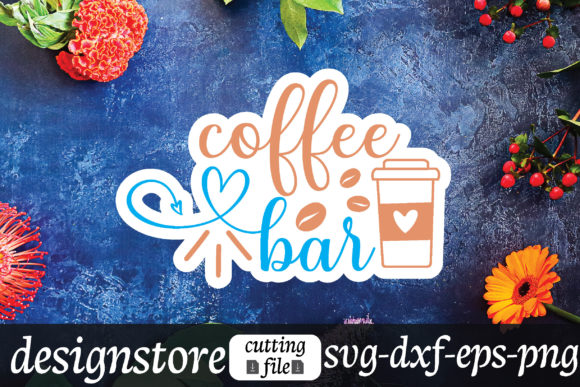
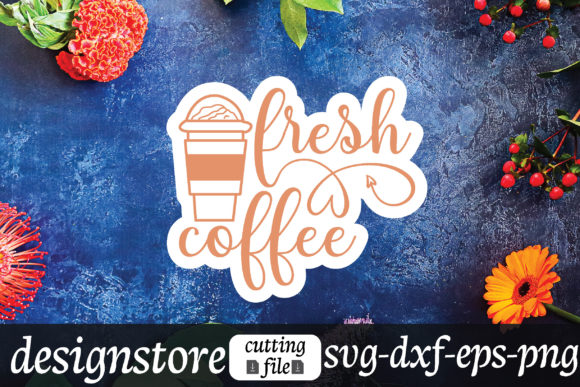
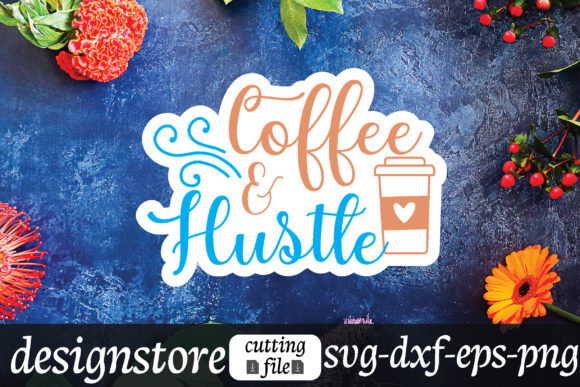
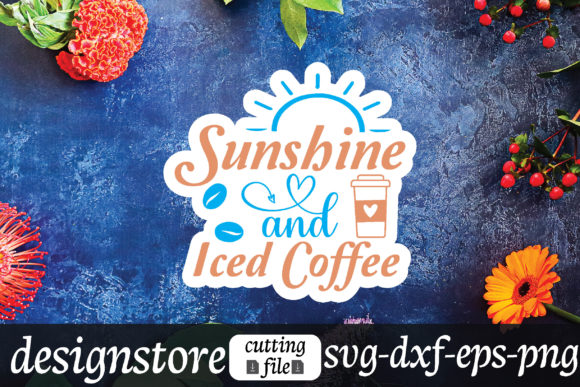
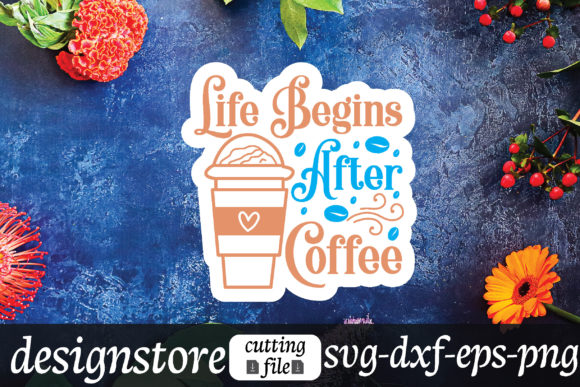
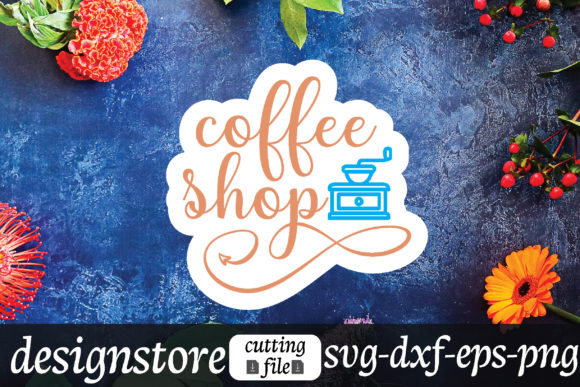
When I first opened the machine embroidery design preview of Coffee Shop Stickers, the immediate feeling was one of cozy nostalgia. The shapes are bold, rounded, and distinct, which is promising for embroidery. Unlike intricate line art that often gets lost in thread texture, these designs rely on solid forms. This is crucial because it suggests that the fill stitch areas will be substantial enough to hold their shape without looking sparse or see-through.
The layout feels balanced, avoiding the common pitfall of overcrowding. In the world of custom apparel, negative space is just as important as the design itself. If you plan to use this for a tote bag design or a kitchen apron, the clarity of the lines means you won't need excessive outlining to define the edges. However, as a reviewer, I always caution against assuming a vector file translates perfectly to thread. The "sticker" style implies flat colors, which works beautifully for satin stitching on smaller elements, but larger areas will require careful density management to prevent puckering.
Real-World Application: From Concept to Finished Product
Let's imagine a specific scenario: You are an Etsy seller preparing a holiday collection of personalized gifts. You decide to create a set of embroidered patches featuring the Coffee Shop Stickers motif for coffee lovers. Here is where the practical value of this design becomes apparent. Because the imagery is thematic and recognizable, it instantly communicates a message to the buyer. When placed on a heavy canvas tote or a fleece sweatshirt embroidery project, the design pops.
I envision using this for a boutique's small shop product line. Imagine a linen tea towel with a single, large-scale version of the design in the corner. The simplicity allows the fabric texture to shine through, adding a handmade charm that mass-produced items lack. For parents looking for baby embroidery, the soft curves of the stickers could be scaled down for a onesie or a nursery pillow cover, provided the details aren't too fine. The versatility for men, women, kids, and babies mentioned in the product specs suggests a wide range of color palettes could work, from muted pastels for nurseries to high-contrast darks for adult custom apparel.
Navigating Technical Challenges and Fabric Choices
While the potential is high, we must discuss where this design needs careful handling. As with any digital embroidery file, the devil is in the details. If you attempt to scale the Coffee Shop Stickers design too small for a cap or a wristband, the finer details may merge into a blob of thread. Embroidery has a physical limit; if your hoop size is restricted, you might lose the definition that makes the sticker look crisp.
Texture is another factor. On smooth cotton or denim, the stitch density will likely perform well. However, on stretchy fabrics like jersey knit or textured materials like velvet, you must use the correct stabilizer. Without adequate backing, the tension required to fill the sticker shapes can distort the fabric, ruining the professional look of the finished product. Additionally, if you are working with dark fabrics, the default thread colors might not offer enough contrast. You would need to manually adjust the thread colors in your software to ensure visibility, perhaps opting for bright whites or metallics to mimic the glossy look of a real sticker.
Specific Considerations for Complex Surfaces
- Curved Surfaces: Applying this to a baseball cap requires a specialized hoop and potentially splitting the design to follow the curve, ensuring the running stitch outlines don't pull unevenly.
- Thin Fabrics: For baby clothes or light summer shirts, test the design on scrap fabric first. Heavy fill stitches can make thin material stiff and uncomfortable.
- Detailed Corners: Sharp corners in the sticker design may need to be slightly rounded in your digitizing process to allow the needle to turn cleanly without breaking threads.
Enhancing Brand Value and Customer Trust
For the creative entrepreneur, the quality of your design assets directly impacts customer trust. A poorly executed embroidery job looks amateurish and can damage your reputation as a maker. Conversely, a clean, well-thought-out application of the Coffee Shop Stickers design elevates the perceived value of your item. It signals attention to detail. When a customer receives a personalized gift with crisp, clear stitching, they associate that quality with your brand.
This design fits perfectly into a strategy for creating cohesive commercial embroidery collections. Whether you are making holiday embroidery sets or everyday wearables, consistency is key. Using this motif across different products—like a matching mug cozy and a hat—creates a recognizable brand identity. It transforms a simple graphic into a signature element of your craft business.
Practical Designer Notes Before You Stitch
Before you commit to a client order or list items on your shop, I strongly advise running a few tests. First, download the file and review it in black and white mockups to check the silhouette. Does the shape hold up without color? Second, always do a test run on a piece of scrap fabric that matches your final project material. Check the hoop size requirements carefully; if the design is too large for your machine's capabilities, you may need to resize it, which affects stitch count and density.
Furthermore, verify the licensing terms. Since this is described as an instant download compatible with cutting software, ensure you have the rights to use it for commercial purposes if you intend to sell the finished embroidered items. Many designers restrict the sale of the digital file itself while allowing the sale of physical goods made from the design. Clarifying this protects your business from legal issues down the road.
In conclusion, the Coffee Shop Stickers design offers a strong foundation for a variety of embroidery projects. Its bold nature makes it forgiving for beginners yet detailed enough for professionals to showcase their skills. By respecting the limitations of thread and fabric, and by testing thoroughly, you can turn this digital graphic into a high-quality, beloved handmade product that stands out in a crowded market.