Happy Women’s Day Svg: A Designer's Review
As a designer who spends countless hours translating digital concepts into tangible stitched goods, I approach every new file with a mix of excitement and skepticism. The Happy Women’s Day Svg has been circulating in my queue for a while now, promising to be a versatile asset for the upcoming holiday season. While the product description highlights its nature as an instant download cutting file compatible with machines like Cricut and Silhouette, my focus today is on how this graphic translates into the world of machine embroidery design. For small business owners, Etsy sellers, and crafters looking to expand their catalog, understanding the practical application of a file is just as important as the visual appeal.
First Impressions: Mood and Visual Personality
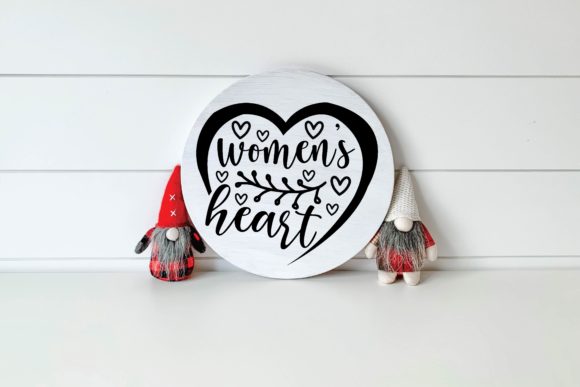
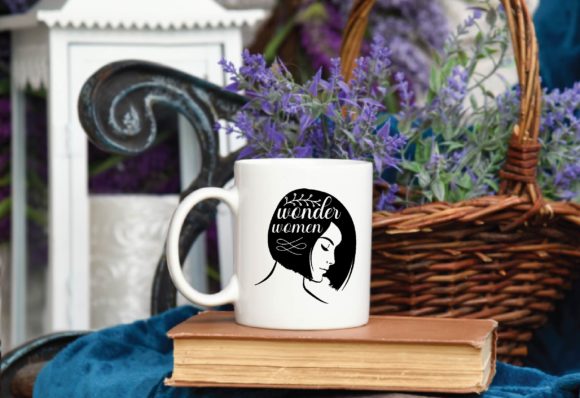
When I first opened the Happy Women’s Day Svg in my vector software, the immediate mood was celebratory and bold. The layout suggests a design that leans towards modern simplicity rather than intricate floral complexity. This is a crucial distinction for anyone planning to use it as an embroidery file. In the realm of Crafts, designs that rely on clean lines often translate better into stitch formats because they minimize the risk of thread bunching or registration errors. The visual personality feels inclusive, fitting the description that notes possible uses for men, women, kids, babies, and birthing-related themes. This versatility is a strong selling point for a boutique owner trying to create a cohesive collection without needing dozens of different assets.
However, as a professional reviewer, I always look at the negative space and the weight of the strokes. If you intend to convert this SVG into a satin stitch outline or a fill stitch area, the thickness of the lettering and any accompanying graphics will dictate your success. Thinner lines might require a running stitch or a very fine satin column, which can be tricky on textured fabrics. The design feels robust enough for a standard tote bag or sweatshirt, but I would advise caution if you are aiming for something as delicate as a baby onesie without significant scaling adjustments.
Real-World Application: From Digital to Stitched
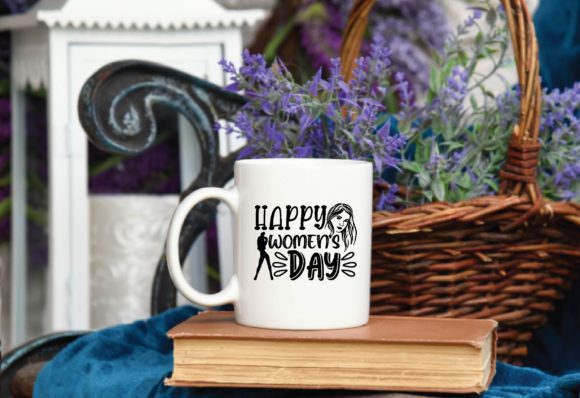
Let’s talk about a real-life scenario. Imagine you are preparing a custom embroidered tote bag for a local women’s empowerment workshop. You want the message to pop against a natural canvas background. Using the Happy Women’s Day Svg as the base for your digitization process, you would likely aim for a high-contrast thread color scheme. Perhaps a deep crimson or a vibrant teal against the beige canvas. In this context, the design works beautifully because the shapes are distinct and readable from a distance.
Now, consider a different project: a personalized gift for a new mother. Here, the "baby" aspect mentioned in the product details becomes relevant. If you are creating a nursery blanket or a pillow cover, the stitch density becomes your primary concern. A dense fill stitch might make the fabric too stiff for a baby item. In this case, you might opt for a lighter fill or even an applique design approach, where you cut the shape from felt using the SVG file (since it is compatible with cutting machines) and then stitch around the edges. This hybrid approach leverages the strengths of both the cutting file and the embroidery machine, resulting in a soft, durable finished product.
Navigating Challenges: Fabric and Hoop Considerations
While the Happy Women’s Day Svg looks promising, not every project will yield perfect results without careful planning. One of the biggest challenges with text-heavy graphics is legibility on curved surfaces. If you plan to embroider this on a cap, the curvature of the brim can distort the lettering. I strongly recommend testing the design on a scrap piece of similar fabric first. Check whether the small details hold up when the hoop size is constrained by the cap attachment.
Fabric texture is another critical factor. On a smooth cotton shirt, the design will likely stitch cleanly. However, on a thick, textured fleece sweatshirt or a heavy denim jacket, the needle might struggle to penetrate evenly, leading to skipped stitches or uneven tension. In these cases, using a tear-away or cut-away stabilizer is non-negotiable. The stabilizer provides the necessary support to ensure the fill stitch lies flat and the outlines remain crisp.
Furthermore, consider the frequency of washing. Products like kitchen towels or aprons undergo rigorous cleaning cycles. If the stitch density is too low, the design might pucker over time. Conversely, if it is too dense, the fabric could become brittle. As a designer, I always suggest reviewing the digitized version in black and white mockups to assess the balance before committing to expensive thread and fabric.
Business Value and Commercial Viability
For the Etsy seller or the creative entrepreneur running a craft business, the Happy Women’s Day Svg offers significant potential as a commercial asset. The ability to adapt this Graphics file for various demographics—men, women, kids, and babies—means you can create a full product line from a single purchase. This efficiency is vital for small shop owners who need to maximize their return on investment.
However, professionalism hinges on execution. A poorly stitched design can damage your brand reputation. Customers expect high-quality handmade products that look polished and intentional. Before listing items in your shop, inspect the finished product under bright light. Are there loose threads? Is the backing visible through the stitches? Does the design assets align perfectly with the garment seams? These details build customer trust and encourage repeat business.
Additionally, if you are planning to sell the digital file itself or offer it as part of a bundle, you must confirm the licensing terms. The product description mentions it is an instant download, but it does not explicitly state the commercial rights for the converted embroidery files. Always verify whether you can sell items made with the design or if the license is restricted to personal use. Missteps here can lead to legal issues that no amount of great stitching can fix.
Practical Tips for Designers and Makers
To get the most out of the Happy Women’s Day Svg, follow these practical steps:
- Test on Scrap Fabric: Never skip the test run. Use a swatch of the actual fabric you plan to sell to check for tension and alignment.
- Check Thread Contrast: Ensure the thread colors stand out against the background. Dark fabrics may require a top layer of white underlay to make the colors pop.
- Verify Hoop Size: Measure the design dimensions against your available hoops. If the design is too large, consider splitting it into sections or reducing the scale, keeping in mind that tiny lettering can become unreadable.
- Inspect Small Details: Zoom in on the digitized file. Are there tiny gaps that might cause thread breaks? Are the corners sharp enough to turn cleanly?
- Use Proper Stabilizer: Match the stabilizer to the fabric weight. Heavy fabrics need heavy stabilizers; knits need stretch-friendly options.
- Compare Light and Dark Backgrounds: Create printable mockups to visualize how the design looks on different colored garments before purchasing materials.
In conclusion, the Happy Women’s Day Svg is a solid starting point for a variety of embroidery projects. Its versatility allows for creativity across different product categories, from custom apparel to home decor. However, like any digital tool, its success depends on the skill of the maker. By paying attention to stitch density, fabric choice, and licensing, you can transform this simple graphic into a high-value, professional-grade offering that resonates with customers and elevates your brand.