Reviewing Mommy to Bee Svg for Real Embroidery Projects
As a designer who has spent years turning digital graphics into tangible, stitched goods, I approach every new file with a mix of excitement and skepticism. The market is flooded with Mommy to Bee Svg designs, but not all of them translate well from the screen to the fabric. When I first opened this specific graphic, my immediate goal was to determine if it could hold up under the scrutiny of a real-world embroidery project. This isn't just about how cute the bee looks; it is about stitch integrity, thread usage, and whether this design will actually sell as a finished product.
First Impressions: Mood and Visual Weight
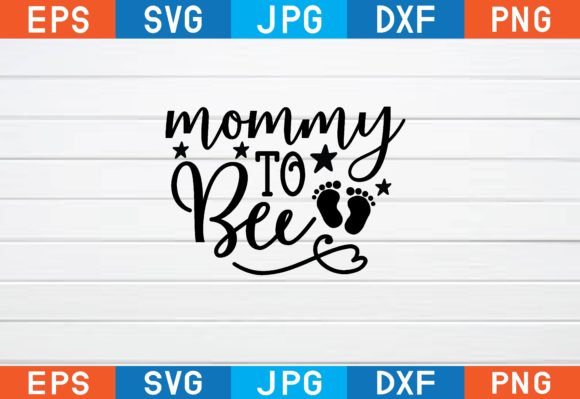
The initial visual impact of Mommy to Bee Svg is undeniably charming. It taps into that classic, sweet aesthetic that parents love for baby showers and pregnancy announcements. However, looking at the layout through the lens of an embroidery professional, I noticed immediately that the balance between the text and the bee illustration is crucial. The typography is bold enough to be legible, which is often a weak point in similar Graphics, but the curves on the bee wings require careful attention during digitization or conversion.
For a machine embroidery design, the "bee" element offers a perfect opportunity to mix stitch types. The body can handle a dense fill stitch to create a solid shape, while the wings are ideal for satin stitches to add a glossy, textured contrast. If you are planning to use this as an applique design, the clean lines of the SVG make it a strong candidate, provided you have the right stabilizer to prevent fraying on the edges.
Testing the Design: A Real-World Scenario
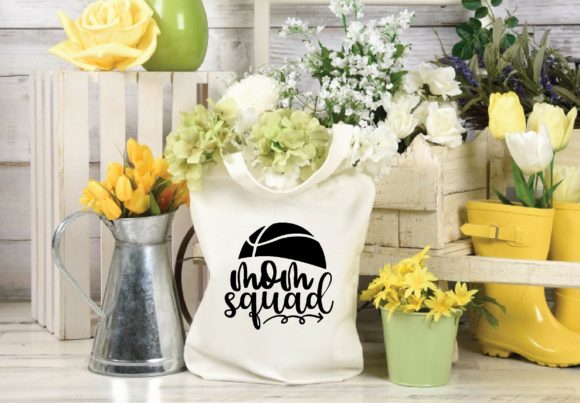
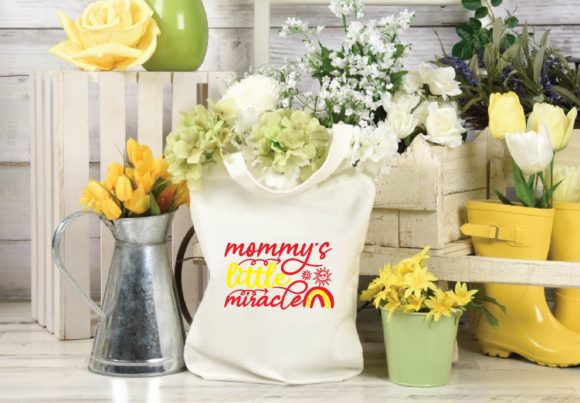
To truly understand the potential of Mommy to Bee Svg, I imagined a specific scenario: creating a custom embroidered tote bag for a boutique client. Tote bags are a staple for any craft business, but they present unique challenges due to their fabric texture and frequent handling. In this case study, I visualized placing the design on a natural canvas tote. The earthy tone of the canvas would pair beautifully with a yellow thread for the bee and a soft pastel for the text.
When I mentally mapped out the stitch density, I realized that the lettering needs to be spaced correctly so the needle doesn't bunch up the fabric. On a tote bag, the fabric is thick, meaning you need a heavy-duty stabilizer. If the hoop size is too small, the tension might pull the canvas, distorting the cute bee shape. Conversely, if the hoop is too large, the design might look lost on the bag. This mental exercise highlighted that while the digital embroidery file looks great on a computer, the physical execution depends entirely on your machine settings and material choices.
Performance Across Different Fabrics and Products
This design is versatile, but versatility comes with conditions. For custom apparel like sweatshirts, the Mommy to Bee Svg works exceptionally well. The softness of fleece allows the embroidery to sit flat without puckering, assuming you use a cutaway stabilizer. The design feels substantial enough to stand out against the dark background of a charcoal gray sweatshirt, making it a top contender for sweatshirt embroidery.
However, moving to delicate items requires caution. For baby embroidery on onesies or blankets, the fabric is thin and stretchy. Here, the risk of the needle pulling the fabric is high. You must test the design on scrap fabric first to ensure the running stitch outlines don't cause distortion. Similarly, if you are creating an embroidered patch, the backing needs to be sturdy. A patch made from this design could become a bestseller for Etsy sellers looking for unique personalized gifts, but the quality of the stitching will define its value.
Consider also the application on kitchen textiles. An apron or a tea towel featuring this design adds a whimsical touch to home decor. Yet, these items face frequent washing. The thread colors must be colorfast, and the fill stitch should be tight enough to withstand agitation without unraveling. If the design is too open, it may snag easily. This is why checking the design assets for detail level is critical before committing to a production run.
Navigating Textured and Curved Surfaces
One area where designers often stumble is applying flat designs to curved surfaces. If you plan to put Mommy to Bee Svg on a cap, the curvature of the brim can distort the text. The "Mommy to Bee" phrase is long, and wrapping it around a hat's brim might make the letters uneven. In such cases, it is better to place the design on the front panel of the cap rather than the brim. Additionally, textured fabrics like denim or corduroy can hide minor stitching imperfections, but they can also make fine details disappear. Ensure the bee's wings are not too intricate, or they may get lost in the weave of the fabric.
Strategic Considerations for Small Business Owners
For the small shop product creator, this design represents more than just a pretty picture; it is a potential revenue stream. When selling handmade items, customers judge quality by the finish. A poorly executed embroidery project can damage your brand reputation. Therefore, using Mommy to Bee Svg effectively means understanding its limits. Do not attempt to shrink the design beyond what your machine can handle. Tiny lettering becomes unreadable when stitched, reducing the appeal of the finished product.
Visual appeal is directly tied to customer trust. If you are listing this on Etsy or at a craft fair, your mockups must be accurate. Use a printable mockup to show how the design looks on different backgrounds. Compare light and dark fabric options to see how the thread colors pop. A professional presentation increases buyer engagement and justifies a higher price point. Remember, you are selling a handmade product, and the perceived value comes from the care taken in the creation process.
Practical Designer Notes for Success
Before you commit to a full batch of products, follow these practical steps:
- Test on Scrap Fabric: Never skip this step. Run the design on a piece of the actual fabric you plan to use to check for puckering or tension issues.
- Check Thread Contrast: Ensure the thread colors stand out against the fabric. A yellow bee on a white shirt might fade visually, whereas on navy blue, it shines.
- Review Stitch Density: Adjust the density settings if the design feels too heavy or too sparse. Too much thread can stiffen the fabric, ruining the drape of a garment.
- Confirm Hoop Size: Make sure the design fits comfortably within your hoop without crowding the edges, which can cause registration errors.
- Inspect Small Details: Zoom in on the bee's wings and antennae. If they are too thin, they might break during stitching or wear out quickly.
- Verify Licensing: Since this is an instant download cutting file compatible with machines like Cricut and Silhouette, always confirm the license terms. Can you sell the finished commercial embroidery items? Can you resell the digital file? Clarify this before launching your shop.
In conclusion, Mommy to Bee Svg is a solid asset for any designer's toolkit, provided it is used with intention and technical skill. It captures a joyful sentiment that resonates with buyers, but its success lies in the execution. Whether you are making a single holiday gift or stocking a boutique shelf, take the time to refine the settings. By treating this Graphics file with professional respect, you transform a simple digital download into a cherished, high-quality keepsake.