Did You Call First Svg: A Designer's Review
As a designer who spends countless hours translating digital files into tangible stitched goods, I approach every new machine embroidery design with a mix of excitement and skepticism. The market is flooded with generic patterns, but occasionally, a concept stands out for its wit and versatility. That is exactly how I felt when I first opened the file for Did You Call First Svg. On the surface, it appears to be a simple phrase, but in the world of custom apparel and handmade products, simplicity often translates to longevity. This review breaks down how this specific Graphics asset performs when moved from the screen to the fabric, offering practical insights for fellow crafters, Etsy sellers, and small business owners.
The Visual Personality of the Design
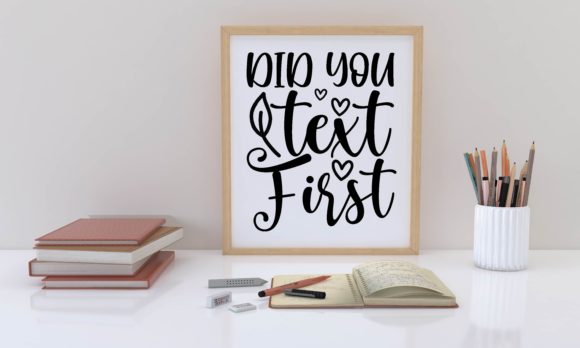
The immediate impression of Did You Call First Svg is one of playful caution. It taps into a universal feeling—perhaps a humorous take on home security or just a cheeky warning label—that resonates across demographics. Unlike overly intricate floral motifs or dense lettering that can get lost in stitching, this design relies on clear typography and a straightforward layout. When I visualize this as an embroidery file, the clean lines suggest it will hold up well even at smaller scales. The mood is lighthearted yet assertive, making it an excellent candidate for custom apparel where the wearer wants to make a statement without being aggressive.
For those of us creating digital product previews or printable mockups, the clarity of the text ensures that the message lands immediately. There are no distracting flourishes; the focus remains entirely on the phrase itself. This makes it a versatile asset within the broader Crafts category, suitable for everything from a quick personal project to a cohesive line of boutique merchandise. However, the true test of any design lies not in how it looks on a monitor, but in how it behaves under the needle.
Real-World Application: From File to Fabric
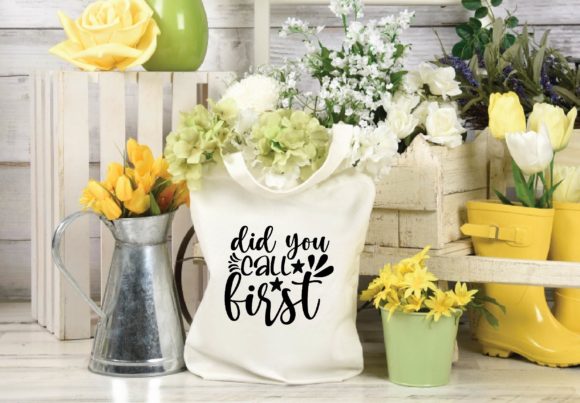
To truly evaluate Did You Call First Svg, I imagined a specific scenario: preparing a collection of personalized tote bags and sweatshirts for a local craft fair. In this context, the design shines. Imagine a sturdy canvas tote bag featuring the phrase in bold, contrasting thread colors. The fill stitch would cover the letters evenly, providing a professional finish that elevates the perceived value of the handmade product. Customers browsing a booth often gravitate toward items with relatable humor, and this piece fits that niche perfectly.
I also considered using it for sweatshirt embroidery. Placing the design on the lower back of a hoodie or the chest of a crewneck creates a modern, streetwear aesthetic. Because the text is relatively short, it avoids the common pitfall of wrapping awkwardly around curved surfaces, provided the placement is centered correctly. For parents looking for unique nursery decor, a baby embroidery project using this design on a onesie or a pillow cover could serve as a funny, protective sentiment. The adaptability here is key; it works for men, women, kids, and babies, which significantly expands the potential customer base for any craft business.
When thinking about holiday embroidery or gift-giving, this design offers a unique angle. Instead of the traditional "Merry Christmas" or "Happy Birthday," a gift featuring Did You Call First Svg adds a layer of personality. Whether it is an embroidered patch sewn onto a denim jacket or a decorative accent on a kitchen towel, the design feels intentional rather than mass-produced. This distinction is crucial for Etsy sellers trying to differentiate their shop from competitors selling generic inventory.
Navigating Technical Challenges and Limitations
While the design is robust, there are specific situations where caution is required. As with any text-based embroidery project, the legibility depends heavily on the stitch density and the choice of thread colors. If you attempt to use this on very thin or stretchy fabrics without the proper stabilizer, the tension from the running stitch outlining the letters could cause puckering. This is particularly important for lightweight t-shirts or delicate baby garments.
Another consideration is the hoop size. While the phrase is short, if you add decorative elements like a phone icon or a border (which some users might do), you may exceed the capacity of a standard 4x4 hoop. Always check the dimensions of your specific digital embroidery file before committing to a small garment like a cap. Curved surfaces, such as the brim of a hat, can distort straight text if the design isn't anchored correctly. In these cases, testing the design on scrap fabric first is non-negotiable.
Furthermore, dark fabrics present their own challenges. To ensure high visibility and contrast, you will likely need a backing layer of applique design techniques or a dense satin stitch underlay. Without this, lighter thread colors might disappear against black or navy backgrounds, ruining the impact of the message. Similarly, highly textured fabrics like fleece or thick wool can interfere with the precision of the stitches, potentially blurring the edges of the letters.
Practical Notes for Professional Execution
For designers and makers planning to sell finished items, here are my essential notes for executing Did You Call First Svg successfully:
- Test Run is Mandatory: Never skip the step of stitching the design on a scrap piece of the actual fabric you intend to use. Check for puckering, thread breakage, and overall clarity.
- Color Contrast Matters: Select thread colors that pop against the background. A light grey thread on a white shirt will look amateurish, while a bold red or bright yellow will grab attention.
- Stabilizer Selection: Use a heavy-duty cutaway stabilizer for knits and wovens alike to ensure the design lays flat after washing. This is critical for maintaining the professional look of your finished product.
- Licensing Verification: Before listing any item made with this design on your shop, confirm the licensing terms. Ensure you are permitted to sell physical goods and understand if there are restrictions on selling the digital product itself.
- Mockup Accuracy: When creating printable mockups for your website, ensure the lighting and shadows reflect the texture of real embroidery. This builds customer trust and sets accurate expectations.
Final Verdict on Commercial Viability
In the competitive landscape of commercial embroidery, designs that offer both humor and clarity have a distinct advantage. Did You Call First Svg delivers on both fronts. It is a design that invites conversation, making it an excellent tool for brand engagement and social media marketing. Whether you are a hobbyist decorating a family member's holiday sweater or a small shop owner launching a new line of witty accessories, this asset has proven its worth in my evaluation.
The key to success lies in execution. By paying attention to fabric texture, choosing the right stabilizer, and respecting the technical limits of your machine, you can transform this simple graphic into a high-quality, desirable item. It is a reminder that in the world of Crafts, the best designs are often the ones that connect emotionally with the user while standing the test of time through quality stitching. If you are looking for a versatile addition to your library of design assets, this one deserves a spot in your queue.