First Heartbeat Svg: A Designer's Practical Review
As a designer who has spent years translating digital files into tangible stitched goods, I approach every new asset with a critical eye. The market is flooded with generic shapes, but finding a machine embroidery design that balances emotional resonance with technical execution is rare. When I first opened the First Heartbeat Svg file to evaluate it for my upcoming collection of nursery and birth announcement items, I wasn't just looking at a graphic; I was visualizing how this specific line work would translate through a needle and thread. This review breaks down exactly how this design performs in real-world scenarios, moving beyond the basic product description to offer practical insight for fellow crafters, Etsy sellers, and small business owners.
The Visual Impact and Design Personality
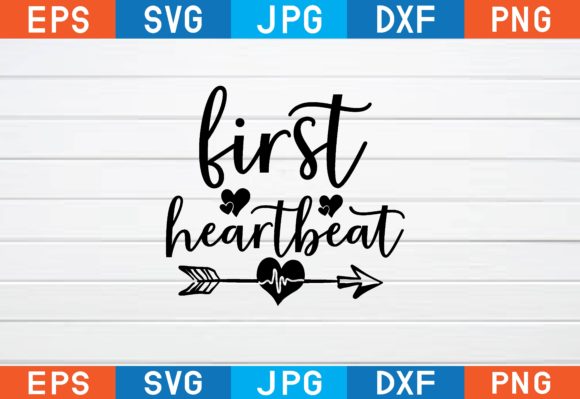
The immediate impression of the First Heartbeat Svg is one of gentle urgency. Unlike static heart icons that feel decorative, this design captures the dynamic rhythm of life beginning. The jagged peaks and valleys of the EKG line create a sense of movement that is crucial for a high-quality embroidery project. In the realm of Graphics, simplicity often wins, but here, the specific angles of the heartbeat line provide enough complexity to look professional without becoming muddy when stitched.
When considering this as a tote bag design or a central motif on a sweatshirt embroidery piece, the layout feels balanced. It doesn't rely on excessive text to convey its message; the icon itself does the heavy lifting. For a handmade shop owner, this means you can pair it with minimal typography, allowing the stitching to stand out. The clean lines suggest that if converted properly from an SVG cutting file to an embroidery file, the resulting stitch path should be smooth, avoiding the jagged edges that sometimes plague poorly digitized vector art.
Real-World Application: From File to Fabric
To truly understand the value of the First Heartbeat Svg, let's walk through a realistic scenario. Imagine you are preparing a custom embroidered blanket for a client expecting their first child. You want something that feels personal yet timeless. Using this design, you could place the heartbeat line across the corner of a soft flannel blanket, perhaps in a contrasting pastel thread against a cream background. The design's inherent flow makes it ideal for curved surfaces or organic layouts, which is a significant advantage over rigid geometric patterns.
This versatility extends to various custom apparel options. On a baby onesie, the design works beautifully as a chest applique or a direct satin stitch outline. However, the true test comes when scaling it up for larger items like pillow covers or kitchen towels. Because the line work is distinct, it maintains its integrity even when enlarged. For an Etsy seller looking to expand their catalog, this design offers a strong candidate for holiday gifts or wedding favors where the theme of "new beginnings" is relevant. The visual clarity ensures that the finished product looks premium, boosting customer trust and perceived value.
Technical Considerations for Embroidery Conversion
It is vital to remember that the First Heartbeat Svg is described as an instant download cutting file compatible with machines like Cricut and Silhouette. As an embroidery designer, I must emphasize that an SVG file is not inherently an embroidery file. To use this for stitching, you will need to digitize it or convert it using specialized software. Here is where your expertise matters. The sharp angles of the heartbeat line require careful attention during the digitization process to prevent puckering.
When converting this design, pay close attention to the stitch density. If the fill stitch is too dense, the fabric—especially delicate materials used for baby embroidery—may become stiff or warp. Conversely, if the density is too low, gaps may appear, ruining the professional finish. I recommend testing the design on scrap fabric first. Check how the running stitch outlines hold up against the fill stitch areas. Ensure that the hoop size you select accommodates the full span of the heartbeat line without stretching the fabric excessively, which can distort the shape.
Fabric and Stabilizer Strategy
The success of any handmade product depends heavily on the foundation. For the First Heartbeat Svg, the choice of stabilizer is non-negotiable. Since this design features continuous lines, any shifting of the fabric during stitching will result in wobbly lines that detract from the crispness of the EKG effect. For stretchy fabrics like jersey knit, commonly used for t-shirts and baby clothes, a tear-away or cut-away stabilizer with medium weight is essential. On textured fabrics, such as canvas tote bags or wool blends, a water-soluble stabilizer might help bridge the texture gaps, ensuring the thread sits flat.
Consider also the color contrast. While the design is striking in black, experimenting with different thread colors can elevate the finished product. A soft pink or blue thread on white cotton creates a classic nursery look, while metallic threads on dark denim could transform it into a trendy fashion statement for adults. Always compare light and dark fabric backgrounds in your printable mockup phase before committing to expensive materials. This step saves time and resources, ensuring the final commercial embroidery item meets your quality standards.
Where Caution Is Required
While the First Heartbeat Svg is versatile, there are scenarios where it requires extra care. Avoid using this design on extremely thin fabrics without adequate stabilization, as the tension from the needle can cause holes or distortion. Similarly, on very small hoop sizes, the intricate details of the heartbeat spikes might get lost or merge together. If you plan to use this on a cap or hat, ensure the curve of the brim does not flatten the design's natural rhythm. Detailed corners and tiny lettering, if added later, should be kept separate from the main heartbeat line to avoid overcrowding the stitch area.
Furthermore, for products that require frequent washing, such as aprons or tea towels, verify that the stitch type holds up over time. Satin stitches on high-wear areas can snag more easily than fill stitches. If you are creating an embroidered patch version of this design, ensure the backing is durable enough to withstand ironing or sewing onto garments repeatedly.
Business Value and Commercial Viability
For creative entrepreneurs and digital product sellers, the First Heartbeat Svg represents a valuable addition to your design assets. Its universal appeal across men, women, kids, and birth themes makes it a safe bet for inventory planning. Whether you are selling physical goods at a craft fair or listing digital files online, this design fits seamlessly into the Crafts category. It speaks directly to the emotions of new parents and gift-givers, driving engagement and sales.
However, always confirm licensing terms before selling finished items. Just because you own the SVG file does not automatically grant commercial rights for the embroidered versions if you haven't digitized it yourself. If you are purchasing a pre-digitized version, check the license carefully. Once cleared, this design can serve as a signature element for your brand, appearing consistently across your small shop product line to build recognition.
Final Thoughts on Execution
In conclusion, the First Heartbeat Svg is more than just a cute graphic; it is a robust tool for creating meaningful, high-quality textile art. Its strength lies in its simplicity and emotional connection, making it perfect for personalized gifts and boutique merchandise. By taking the time to properly digitize, test on scrap fabric, and choose the right stabilizers, you can turn this digital file into a stunning embroidery project that customers will cherish. As you move forward with your next batch of orders, remember that the difference between a good product and a great one often lies in these practical details. Use this design wisely, and it will undoubtedly add value to your portfolio.