Eating for Two Svg: A Designer's Practical Review
As a designer who spends countless hours translating digital files into tangible stitched goods, I approach every new Eating for Two Svg with a critical eye. The market is flooded with generic graphics, but finding a file that translates well from screen to fabric requires more than just a pretty thumbnail. This review dives deep into the practical application of this design, moving beyond the basic product description to explore how it truly performs in a real-world embroidery studio.
First Impressions: Mood and Visual Personality
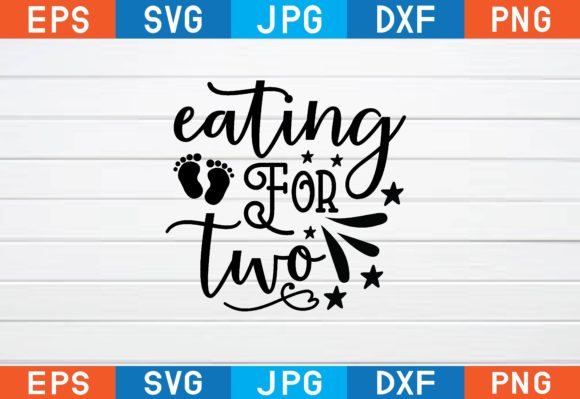
When I first opened the Eating for Two Svg file, the immediate impression was one of warmth and playful simplicity. Unlike complex, hyper-detailed illustrations that often struggle under a needle, this design leans into clean lines and bold shapes. It feels like a classic piece of Graphics that has been thoughtfully adapted for physical media. The layout suggests a theme perfect for pregnancy announcements, baby showers, or even a whimsical kitchen project for a growing family.
The visual personality is inviting without being cluttered. In the world of machine embroidery design, less is often more. Too many tiny details can lead to thread breaks or muddy stitching, especially on textured fabrics. This file seems to strike a balance, offering enough character to be recognizable while maintaining the structural integrity needed for high-quality stitching. It creates an instant emotional connection, which is exactly what you want when selling a personalized gift or creating a boutique item.
Real-World Application: From File to Finished Product
Let’s imagine a specific scenario: I am preparing a custom embroidered tote bag for a client expecting their second child. The goal is to create a durable, stylish accessory that says "Eating for Two" without looking cheap or mass-produced. Using this embroidery file, I can envision the design taking center stage on a canvas tote. The clean lines would likely translate beautifully into a combination of satin stitch for the outlines and a dense fill stitch for the main elements.
This versatility makes the Eating for Two Svg a strong contender for various projects. For custom apparel, such as a sweatshirt or t-shirt, the design could be placed on the chest or back. On a sweatshirt, the slightly raised texture of the embroidery adds a premium feel that screen printing cannot match. If I were targeting the baby market, this design would work exceptionally well on a onesie or a soft cotton blanket, provided the stitch density is adjusted to prevent stiffness.
For the Etsy seller or small shop owner, this design offers great potential for holiday embroidery gifts or nursery decor. Imagine it on a pillow cover or a kitchen towel; the message is clear, the aesthetic is timeless, and the execution is straightforward. It fits seamlessly into a brand identity focused on handmade quality and personalization. Whether used as a standalone statement or paired with other design assets, it elevates the perceived value of the finished product.
Considerations for Specific Fabrics and Surfaces
While the design is robust, experienced designers know that no file is universal. There are specific situations where caution is required. When working with thin or stretchy fabrics like jersey knit, the stitch density must be carefully monitored. If the fill is too tight, the fabric may pucker, ruining the look of the handmade product. In these cases, using a heavy-duty stabilizer is non-negotiable to keep the embroidery flat and professional.
Textured fabrics, such as denim or fleece, present another challenge. While they add character, they can obscure fine details. If the Eating for Two Svg includes tiny lettering or intricate curves, these might get lost in the weave of a thick material. For items like caps or hats, the curved surface can distort the design if the hoop size is not appropriate. Always test the design on a scrap piece of the actual fabric before committing to a client order.
Dark fabrics require special attention regarding thread colors. A white outline might pop beautifully against a navy blue background, but a light pastel fill could disappear entirely. Always compare your printable mockup against the actual fabric swatch to ensure sufficient contrast. Additionally, products that will undergo frequent washing, like aprons or tea towels, need secure anchoring stitches to prevent fraying over time.
Strategic Advice for Craft Business Owners
If you are planning to use the Eating for Two Svg for commercial purposes, there are several steps to ensure success. First, always verify the licensing terms. Just because it is an instant download compatible with machines like Cricut or Silhouette does not automatically grant unlimited commercial rights for all product types. Check if you can sell the finished embroidered patch, the garment, or both.
Secondly, perform a test run. Stitch out the design on a spare piece of fabric at the intended size. Inspect the small details closely. Are the corners sharp? Is the text legible? Does the design hold up when viewed from a distance? These checks are crucial for maintaining customer trust and brand consistency. A poorly executed stitch job can damage your reputation faster than a bad review.
Finally, consider the broader context of your craft business. How does this design fit with your existing inventory? Does it complement your color palette? Can it be adapted for different seasons? By treating the Eating for Two Svg as a versatile tool rather than a one-off item, you maximize its utility. Whether you are creating a baby embroidery set for a shower or a quirky small shop product for a holiday sale, the key lies in thoughtful execution.
Final Verdict: A Solid Asset for Makers
In conclusion, the Eating for Two Svg stands out as a practical and emotionally resonant design for those in the Crafts industry. Its clean aesthetic and adaptable nature make it suitable for a wide range of applications, from custom apparel to home decor. However, its success ultimately depends on the designer's ability to adapt it to the specific demands of the fabric, machine, and end-use.
For the hobbyist, it offers a fun and rewarding project. For the professional, it provides a reliable asset to expand a catalog of personalized goods. By respecting the nuances of digital embroidery file conversion and paying attention to the details of hoop size and stabilizer choice, you can transform this simple graphic into a high-quality, market-ready masterpiece. It is a reminder that in embroidery, the magic happens not just in the design file, but in the hands of the maker who brings it to life.