Little Miss Lucky Svg: A Designer's Real-World Review
As a designer who has spent years turning digital graphics into tangible, stitched goods, I approach every new file with a mix of excitement and skepticism. The market is flooded with Graphics that look stunning on a screen but fall apart under the needle. Today, I am putting Little Miss Lucky Svg through its paces. This isn't just about whether the file opens; it is about how this design translates from a cutting machine concept into a high-quality machine embroidery design for real-world products.
The First Impression: Mood and Visual Weight
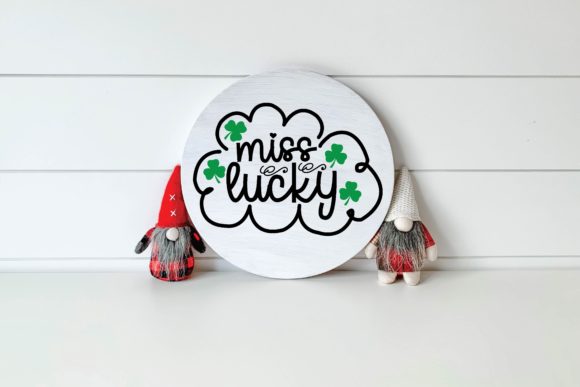
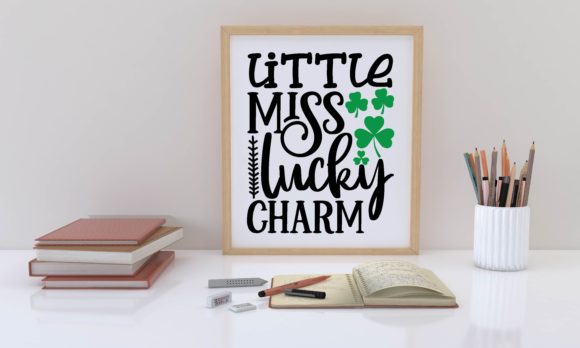
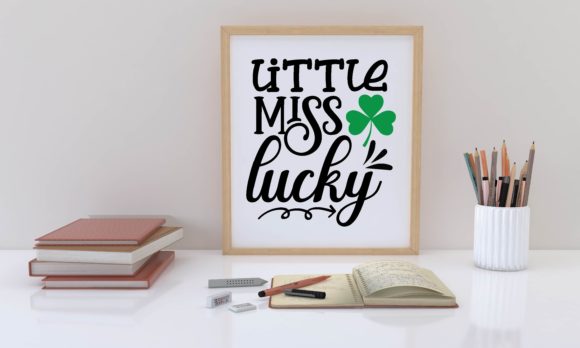
When I first pulled up Little Miss Lucky Svg, the immediate vibe was playful yet timeless. It carries that classic "lucky charm" aesthetic which resonates deeply in the Crafts community. The lines are clean, and the silhouette suggests a character or motif that balances well without feeling overly cluttered. For an embroidery project, visual weight is everything. If a design is too heavy with details, it becomes a dense knot of thread; if it is too light, it lacks presence. This file strikes a middle ground, offering enough definition to stand out on a sweatshirt embroidery application while remaining simple enough to maintain clarity on smaller items like a cap or a patch.
The layout feels intuitive for conversion. While marketed as an SVG for cutting machines like Cricut and Silhouette, the vector paths suggest that converting this into a stitch file would be relatively straightforward. The curves appear smooth, which is critical for maintaining the integrity of a satin stitch border. Sharp, jagged angles often lead to puckering, but the organic flow of Little Miss Lucky Svg hints at a smooth stitching experience.
A Real-Life Scenario: The Custom Tote Bag Project
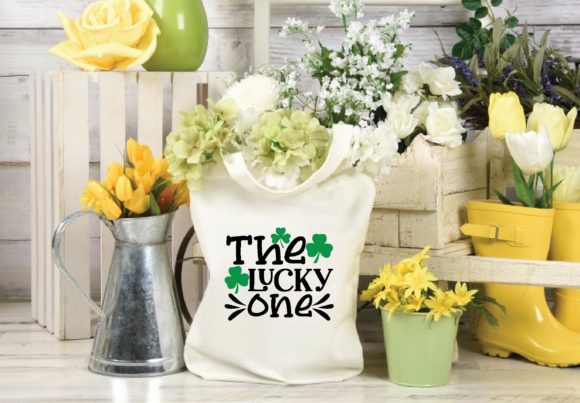
To truly test the potential of this asset, let's imagine a specific scenario. You are a small shop owner preparing a collection of personalized gifts for the upcoming holiday season. You decide to create a limited run of canvas tote bags featuring Little Miss Lucky Svg. Your goal is to sell these as personalized gift items for friends, teachers, or clients who need a touch of good fortune.
In this context, the design needs to pop against the natural texture of the canvas. Because the file description notes compatibility with various machines, you can adapt the scale. For a tote bag, you might want to size the design up to 6 inches wide. Here, the simplicity of the graphic shines. A large-scale fill stitch would cover the fabric evenly, creating a bold statement piece. However, if you were using this on a delicate baby onesie, you would need to downsize significantly. The question becomes: does Little Miss Lucky Svg lose its charm when reduced? Based on the line work, it seems robust enough to handle scaling, provided you adjust the stitch density accordingly to prevent thread buildup on the soft fabric.
Navigating Fabric and Hoop Challenges
Every experienced embroiderer knows that the fabric dictates the success of the design more than the design itself. When working with Little Miss Lucky Svg, there are specific scenarios where caution is required. If you are applying this to a stretchy jersey knit for a t-shirt, you must use a strong stabilizer. Without it, the tension from the needle pulling the thread could distort the lucky motif, making it look wavy rather than crisp.
Similarly, consider the hoop size. If your machine only accommodates a 4x4 hoop, you will need to ensure the entire design fits comfortably within that boundary. Sometimes, designs that look perfect on a computer screen require trimming or repositioning to fit standard hoops. For custom apparel, especially on curved surfaces like caps, the placement of Little Miss Lucky Svg matters. The top curve of the design should align with the cap's peak to avoid awkward gaps or excessive stretching of the stitches.
Dark fabrics present another challenge. If you are using this design on a black hoodie, the default thread colors might not provide enough contrast. You would likely need to switch to a bright yellow or white thread to make the "lucky" element visible. Always test the design on scrap fabric first to see how the thread colors interact with the background material before committing to a customer order.
Commercial Viability and Brand Consistency
For the Etsy seller or small business owner, consistency is key to building a brand. Little Miss Lucky Svg offers a versatile theme that can anchor a product line. Imagine using it on embroidered patch accessories, kitchen towels, or even nursery decor. The "lucky" theme is universally appealing, making it a safe bet for holiday embroidery collections or general merchandise.
However, as a professional, I must advise checking the licensing terms carefully. The product description mentions it is an instant download compatible with cutting software, but it does not explicitly detail commercial rights for commercial embroidery. Before selling finished products, confirm that the license allows you to sell items made with this design. Selling a finished product based on a personal-use-only file can lead to legal trouble and damage your reputation.
If the license permits commercial use, this design can become a staple in your catalog. Its clean lines allow it to blend well with other text elements, such as names or dates, creating unique personalized products. For example, pairing the lucky motif with a child's name on a baby blanket creates a heartwarming keepsake. The visual appeal of the design directly impacts customer trust; a well-executed stitch job signals quality and professionalism.
Practical Notes for the Designer
Before you commit Little Miss Lucky Svg to your next production run, here are my practical recommendations:
- Test on Scrap Fabric: Never skip this step. Stitch out the design on a piece of the actual fabric you plan to use to check for puckering or thread breaks.
- Review Stitch Density: If converting from SVG to embroidery format, ensure the fill areas aren't too dense, which can stiffen the fabric, or too loose, which shows the background.
- Check Small Details: Zoom in on the smallest elements. If the design includes tiny lettering or intricate corners, they may need simplification to stitch correctly on a home machine.
- Use Proper Stabilizer: Whether it is tear-away, cut-away, or wash-away, match the stabilizer to the fabric type to ensure the embroidery file lays flat.
- Mockup Testing: Create a printable mockup to visualize how the design looks on different products before spending thread and time.
- Verify Licensing: Double-check the terms regarding selling finished goods versus selling the digital file itself.
Final Thoughts on Design Assets
In the world of handmade goods, the difference between a hobby and a thriving business often comes down to the quality of the design assets used. Little Miss Lucky Svg presents a strong opportunity for crafters looking to add a touch of whimsy and luck to their portfolios. Its versatility across men, women, kids, and baby items makes it a valuable addition to any digital embroidery file library.
While it originates as a cutting file, its structural integrity suggests it can transition beautifully into a machine embroidery design with the right adjustments. By paying attention to fabric choice, stabilizer use, and stitch settings, you can turn this simple graphic into a premium handmade product. Whether you are decorating a single apron for a friend or launching a full line of boutique merchandise, this design has the potential to deliver a polished, professional result that customers will love.