Miss Lucky Svg: A Designer's Real-World Review
As a designer who has spent years translating digital files into tangible stitched goods, I approach every new machine embroidery design with a mix of excitement and skepticism. The market is flooded with generic assets, but occasionally, a file like Miss Lucky Svg catches the eye for its potential in real-world applications. Before I ever commit to a client project or list a handmade item on my shop, I need to know how a design translates from screen to fabric. Today, I am breaking down my practical assessment of Miss Lucky Svg, specifically looking at how it performs when moved from a cutting software environment into the realm of embroidery.
First Impressions: Visual Personality and Mood
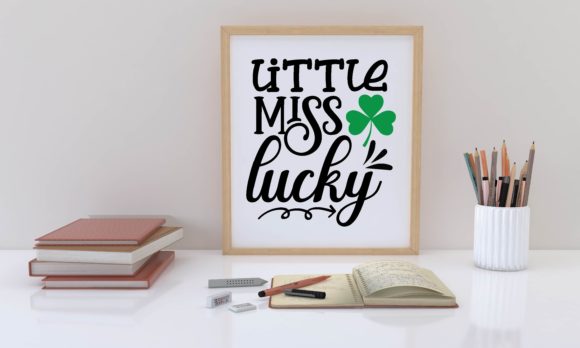
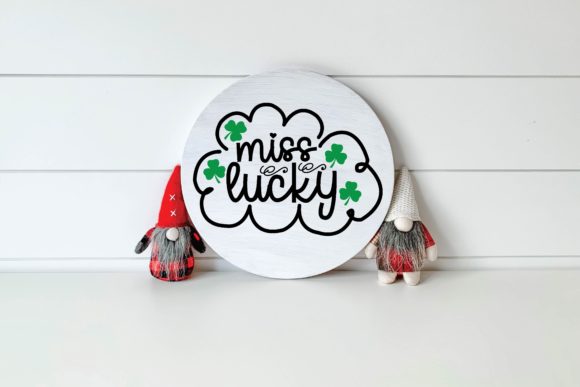
When I first opened the digital embroidery file preview for Miss Lucky Svg, the immediate takeaway was versatility. The design carries a playful yet sophisticated energy that feels perfectly suited for the current trend of personalized gifts and boutique branding. The lines are clean, and the layout suggests a balance between boldness and detail. In the world of Crafts, this kind of visual clarity is essential. It doesn't scream for attention in an aggressive way; instead, it invites the viewer closer, which is exactly what you want for a product meant to be cherished.
The theme of "luck" is timeless, making this asset incredibly valuable for a small business owner looking to create seasonal items or year-round bestsellers. Whether you are planning a holiday embroidery collection or a line of everyday custom apparel, the graphic nature of Miss Lucky Svg allows it to blend seamlessly into various aesthetic niches. It feels less like a clip-art sticker and more like a deliberate design choice, which elevates the perceived value of the final finished product.
From Cutting File to Stitched Reality
It is important to note that Miss Lucky Svg is marketed primarily as an instant download cutting file compatible with machines like Cricut and Silhouette. However, for us embroidery enthusiasts, this presents a unique opportunity. Many of these vector-based graphics can be converted into high-quality embroidery patterns using modern digitizing software. When I visualize converting this specific Graphics asset into an embroidery file, I see distinct areas where satin stitch would shine against the outlines, while fill stitch could add depth to the lettering or decorative elements.
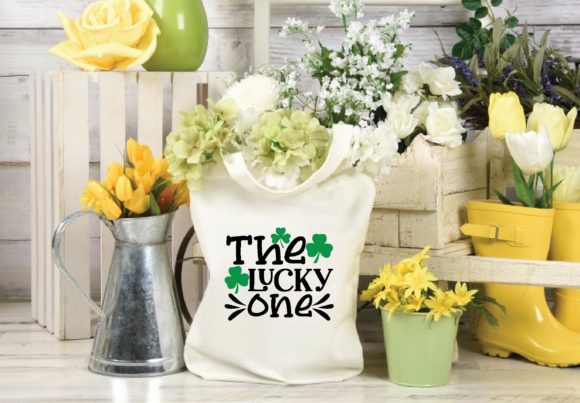
Imagine preparing a custom embroidered tote bag for a craft fair. You load the hoop, secure the stabilizer, and watch as the needle brings Miss Lucky Svg to life. The design's structure suggests it would hold up well on a sturdy canvas tote, offering a professional look that stands out among mass-produced alternatives. For an Etsy seller, this kind of quality distinction is crucial. Customers buying handmade items expect precision. If the stitch density is managed correctly during the conversion process, the result is a durable, textured piece that feels premium to the touch.
Real-Life Application: The Personalized Sweatshirt Project
Let’s walk through a specific scenario. I have a client requesting a set of matching sweatshirts for a family birthday celebration. They want something fun but not childish. Miss Lucky Svg fits this brief perfectly. I would place the design on the upper left chest area of a heavyweight cotton blend. Because the design has a balanced weight, it won't distort the fabric even after multiple washes, provided the correct stabilizer is used.
In this context, the design acts as a focal point. On a dark-colored sweatshirt, using bright thread colors would make the "lucky" motif pop, creating a striking contrast that draws the eye immediately. This level of visual appeal directly impacts customer trust. When a buyer sees a mockup of a sweatshirt featuring this design, they can envision themselves wearing it, increasing the likelihood of a sale. It transforms a simple garment into a personalized gift with a story attached.
Navigating Challenges: Where Caution is Needed
While Miss Lucky Svg shows great promise, no design is without its limitations. As a professional, I must advise caution regarding certain applications. If you attempt to scale this design down too significantly for a small hoop size, such as on a cap or a baby sock, the intricate details may become muddy. Tiny lettering or fine curves can get lost if the hoop size restricts the needle movement or if the stitch count is too dense for the available space.
Furthermore, working with textured fabrics like fleece or ribbed knit requires extra attention. The uneven surface can cause the stitches to sink in or pucker, especially if the design relies heavily on fill stitch. In these cases, testing the design on scrap fabric first is non-negotiable. You need to verify that the tension is correct and that the backing material supports the weight of the thread. Similarly, on stretchy fabrics, the design might warp over time unless properly stabilized. Always check whether the design works for both personal and commercial projects before committing to a large batch of production.
Strategic Use for Craft Businesses
For creative entrepreneurs and small shop owners, Miss Lucky Svg represents a versatile asset that can diversify your inventory. It works beautifully as an embroidered patch that can be sold individually or sewn onto jackets and bags. This opens up revenue streams beyond just full-garment decoration. You can also use the design to create printable mockups for your online store, giving customers a realistic idea of how the embroidery will look on different products.
Consistency is key in building a brand. Using a cohesive design like Miss Lucky Svg across various items—kitchen towels, pillow covers, aprons, and nursery decor—helps establish a recognizable style. This consistency builds brand recognition and encourages repeat business. When customers see your logo or signature style on a variety of high-quality items, their confidence in your craftsmanship grows.
Final Designer Notes and Recommendations
Before you integrate Miss Lucky Svg into your workflow, take the time to review the licensing terms carefully. Ensure you have the right to sell finished items or digital products derived from this file. Once cleared, start by testing the design in black and white mockups to assess the silhouette. Then, move to physical testing on light and dark fabric backgrounds to determine the best thread colors for maximum visibility.
Remember, the success of any embroidery project lies in the preparation. Check the stitch count, confirm the hoop size compatibility, and inspect small details for potential snagging points. By treating Miss Lucky Svg with the same care you would give to any premium commercial embroidery asset, you ensure that the final result is nothing short of exceptional. Whether you are making a one-off birthday gift or stocking a boutique, this design offers the perfect blend of charm and functionality for the modern maker.